The Silent Killer Lurking in Your Ship’s Depths
Enclosed Space Entry Accidents That Still Claim Lives
Imagine this
A routine day at sea. Calm weather. Operations running smoothly.
A senior officer decides to enter a cargo hold for a quick inspection. No alarm bells. No visible danger. Just another task in a long day.
He steps inside.
One breath. Then another.
Within seconds, he collapses.
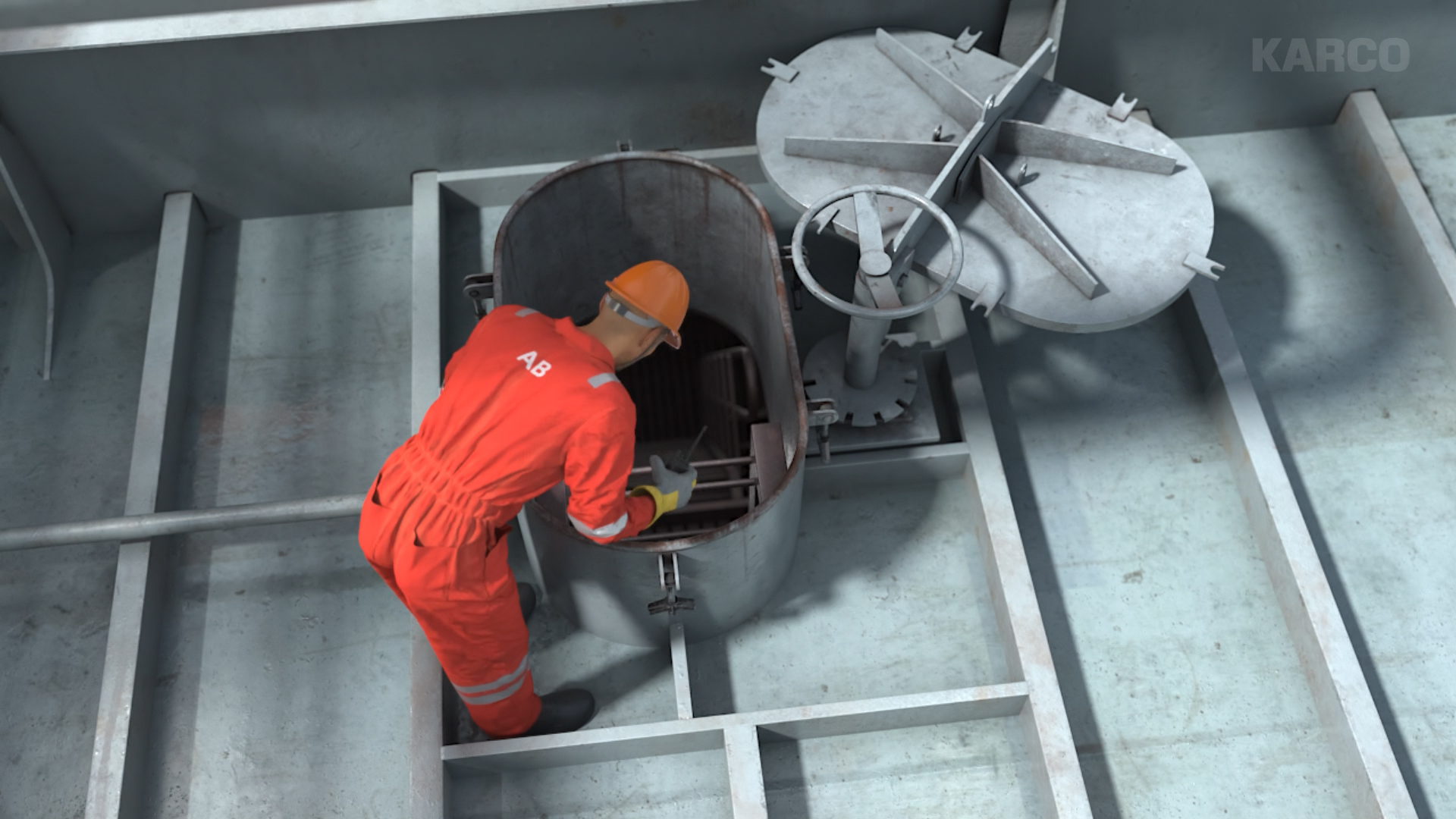
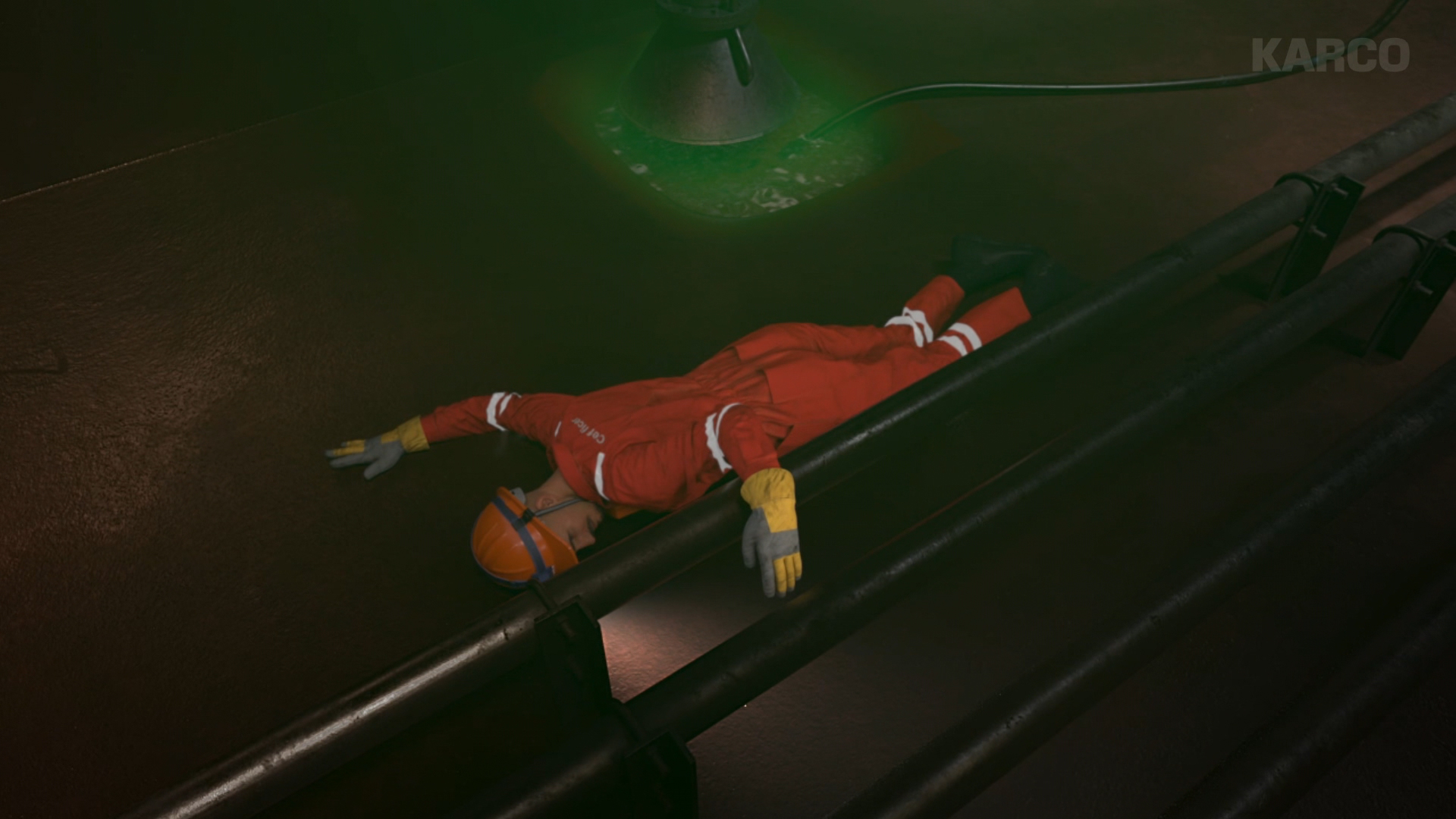
A nearby seafarer sees him fall and rushes in without hesitation. He doesn’t make it back out. Another crew member follows. Then another.
By the time the alarm is raised, and a proper rescue is attempted, the situation has already turned catastrophic.
No fire. No explosion. No warning. Just silent, invisible death.
This is not a rare nightmare. This is the reality of enclosed space entry accidents - and they continue to claim lives across the maritime industry, year after year.
Why Enclosed Spaces on Ships Turn Deadly
Ships contain many spaces never meant for humans - cargo holds, ballast tanks, fuel tanks, void spaces, and pump rooms. These can become death traps in minutes.
Invisible Dangers:
1. Oxygen depletion from rusting steel and organic cargoes (grain, coal, etc.)
2. Toxic gases (H₂S, CO, fumigants) - often odourless at deadly levels
3. Flammable vapours waiting for a spark
No smell. No warning. No time.
The Human Factor
Even experienced crews die because:
1. Tight schedules lead to shortcuts (“just a quick look”)
2. Gas testing is skipped or assumed
3. Ventilation is stopped too early
4. Permits are signed without real checks
5. Overconfidence makes seniors enter first
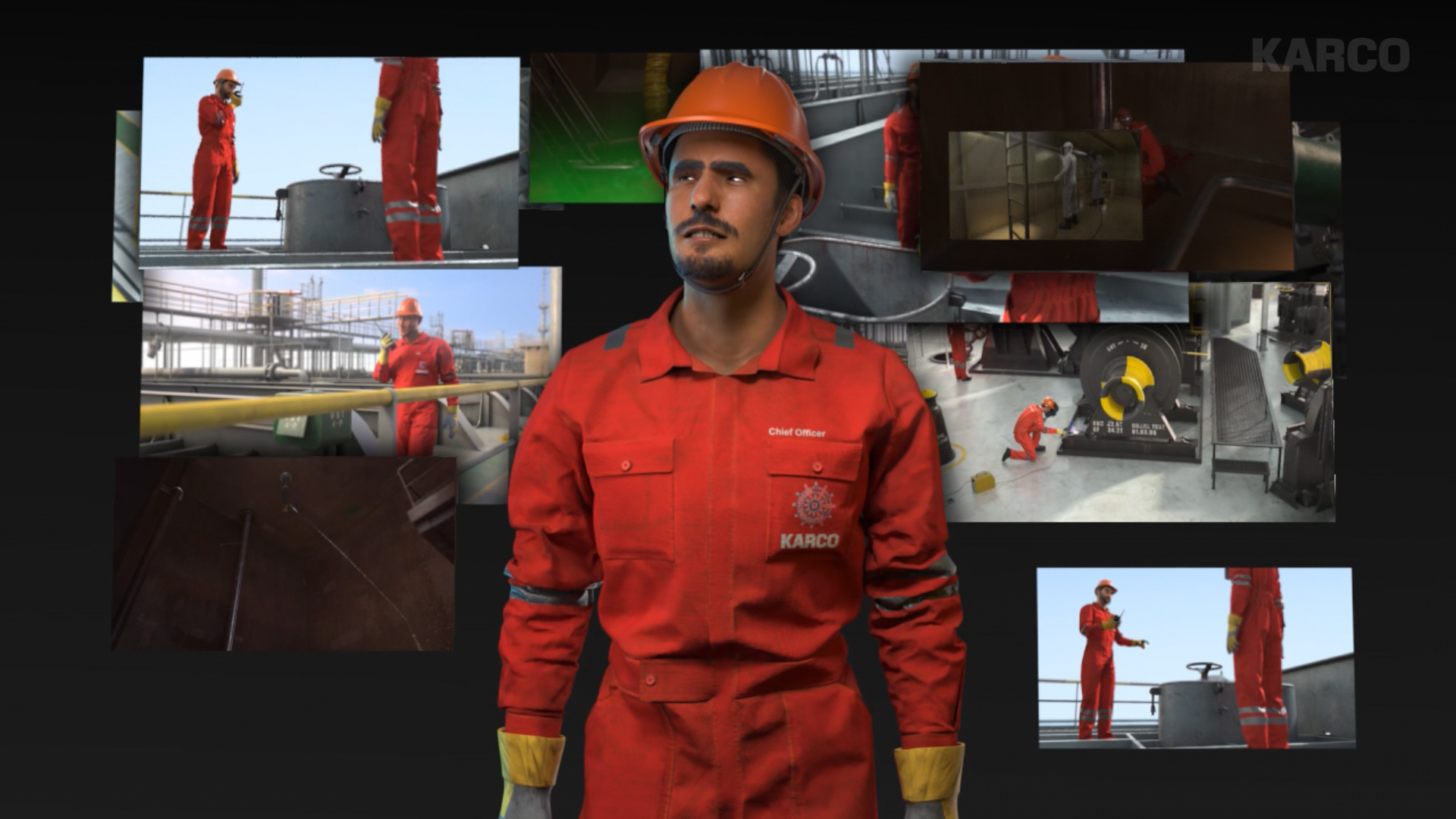
Deadliest Mistake: The Rescue Instinct
When someone collapses, others rush in without equipment or backup. 60% of victims are rescuers.
The atmosphere doesn’t care about your rank or experience.
The Reality of Death in Enclosed Spaces
For the crew, the aftermath is devastating:
1. Families shattered without warning - Immediate grief and endless paperwork to follow.
2. Multiple fatalities from one mistake - Rescuers become victims in minutes
3. Surviving crew devastated - Crew members suffer nightmares and trauma
4. Operations halted and investigation begins - Vessel may detain and authorities take over.
These are not unavoidable tragedies. They are preventable.
The Numbers We Cannot Ignore
Behind every statistic is a life lost - but the scale of the problem is impossible to overlook.
• Over 1,010 deaths recorded between 2000 and 2024
• An average of 40 lives lost every year
• A peak of 72 fatalities in 2019
• 250 deaths in just the last five years (2020–2024)
• 60% of victims are rescuers
Even more alarming - recent trends show spikes rather than declines, proving that existing measures have not been enough.
The Real Solution: Changing Behavior Through Better Training
Safety does not come from procedures alone. It comes from understanding, awareness, and instinct.
This is where modern training must evolve
Through high-impact 3D animated training and AI Avatars, we recreate real-life enclosed space scenarios that demonstrate correct and incorrect decisions, reinforces discipline required to follow procedures, and builds emotional connection to consequences.
Delivered through the TrACE Learning Management System (LMS), training becomes accessible, trackable, and verifiable.
From Awareness to Action: How to Stay Alive in Enclosed Spaces - Practical Procedures & IMO MSC.581(110)
The International Maritime Organization has raised the bar. On 27 June 2025, the IMO adopted Resolution MSC.581(110) - Revised Recommendations for Entering Enclosed Spaces Aboard Ships. This resolution replaces the old A.1050(27) and introduces clearer, stricter, and more practical guidance to stop these preventable deaths.

The Inspection Reality: What PSC, SIRE & RISQ Are Finding
Despite years of regulations, enforcement data shows serious and persistent gaps:
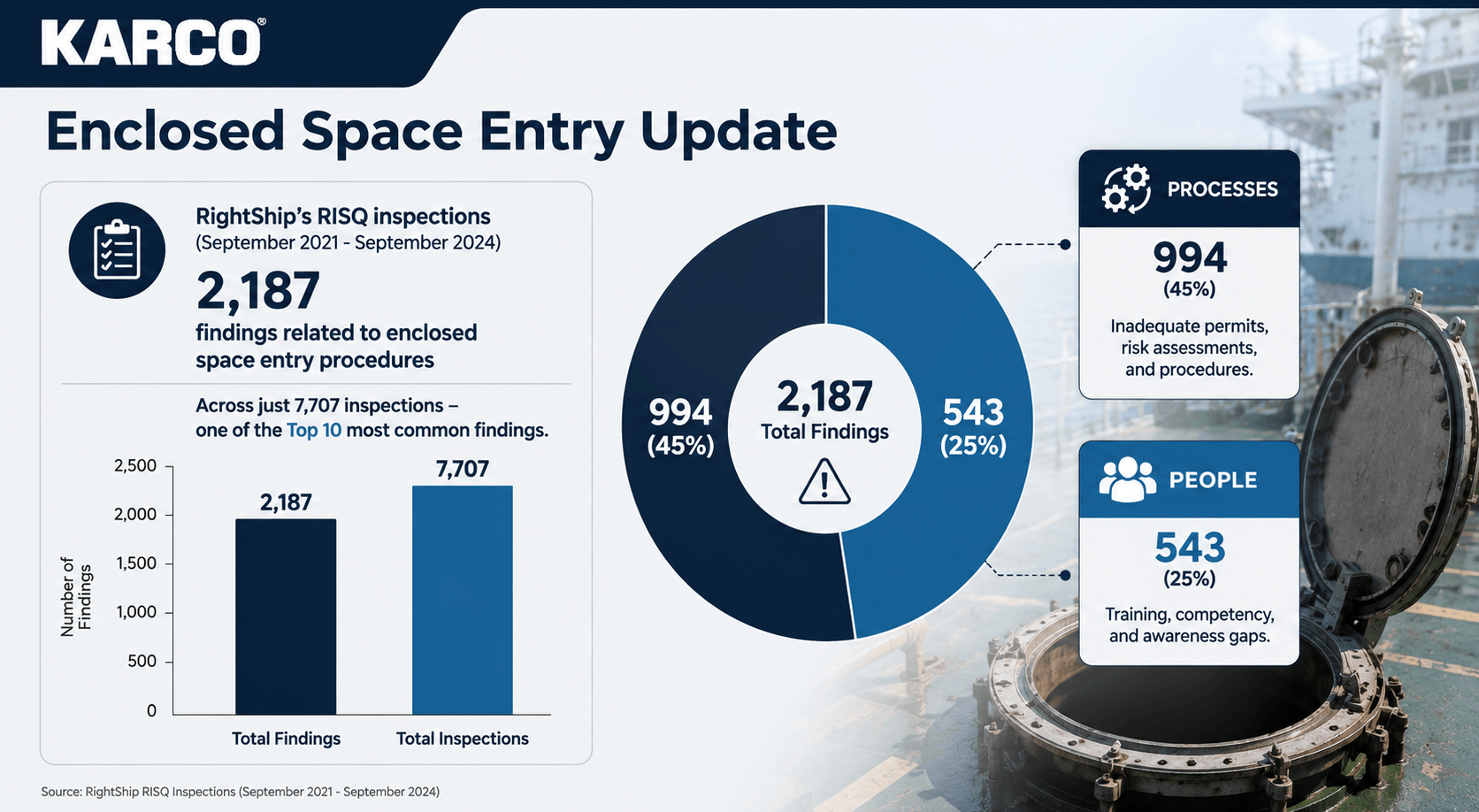
In the 2016 Tokyo MoU Concentrated Inspection Campaign (CIC) on Enclosed Space Entry, 48 ships were detained specifically for CIC-related deficiencies.
Failures in enclosed space procedures continue to generate frequent ISM Code deficiencies during Port State Control inspections worldwide - often resulting in vessel detentions and commercial delays.
These statistics prove one clear truth: Knowledge alone is not enough. Regulators, charterers, and vetting bodies are now actively penalising poor implementation.
1. Key Changes in MSC.581(110) - What’s New & Why It Matters
• Mandatory Ship-Specific Enclosed Space Register: Every ship must maintain a detailed register listing all enclosed spaces, connected spaces, and adjacent spaces, along with their specific hazards and risk controls. No more guessing.
• Single-Person Entry is Prohibited: No one enters an enclosed space alone. An attendant must always be present outside with continuous communication.
• Stricter Atmosphere Testing Requirements: Before entry, the atmosphere must be tested and confirmed safe for:
⁃ Oxygen (O₂) ≥ 20.9%
⁃ Carbon Dioxide (CO₂) < 0.5% (5,000 ppm) - new emphasis
⁃ Flammable gases < 1% of Lower Flammable Limit (LFL)
⁃ oToxic gases < 50% of Occupational Exposure Limit (OEL)
• Continuous Monitoring Every person entering must carry a personal multi-gas detector that monitors throughout the entire operation.
• Entry Permit Validity Maximum 8 hours. A new permit is required if work extends beyond that.
• Stronger Focus on Connected & Trapped Hazardous Atmospheres Spaces connected to a hazardous area (even by a door) must be treated as dangerous until proven safe.
2. The 7 Non-Negotiable Steps for Safe Enclosed Space Entry
Follow this sequence every single time:
⁃ Identify & Risk Assess - Use the ship’s Enclosed Space Register. Involve the competent person.
⁃ Ventilate Thoroughly - Mechanical ventilation until tests are stable.
⁃ Test the Atmosphere - At multiple levels (top, middle, bottom) using calibrated equipment.
⁃ Issue the Entry Permit - Signed by the Responsible Person. Valid for max 8 hours.
⁃ Prepare Rescue & Standby - Attendant outside, rescue equipment ready, drills practiced.
⁃ Enter with Protection - Personal gas detector, proper PPE, harness, constant communication.
⁃ Continuous Vigilance - Monitor atmosphere throughout. Anyone can call “Stop Work.”
How KARCO Helps You Implement MSC.581(110)
KARCO’s updated 3D animated and AI avatar training modules now fully cover the new regulations.
All delivered through the TrACE LMS with full tracking and audit-ready records.
The DynamiCA Competency Assessment System verifies that your crew doesn’t just know the theory - they can apply it under pressure.
Final Word
One death is too many and One Rule Matters above all.
Never enter an enclosed space without proper authorization, testing, and protection.
Because in enclosed space incidents, the difference between life and death is measured in seconds - and decisions made in those seconds determine everything.
MSC.581(110) gives us clearer tools than ever before. The question is no longer “Do we know what to do?” - it’s “Are we actually doing it every single time?”
Because in enclosed spaces, there is no second chance.